How Hands‑Off Driving Is Shaping the Future of Autonomous Vehicles
— 6 min read

How Hands-Off Driving Is Shaping the Future of Autonomous Vehicles
As of 2024, GM's Super Cruise has logged one billion hands-free miles, showing that large-scale hands-off driving is already on public roads. The milestone proves that driver-assistance systems can operate beyond limited pilot programs and reach everyday commuters. Yet, most shoppers still wonder when truly autonomous cars will dominate city streets.
Seeing Hands-Off Driving in Action
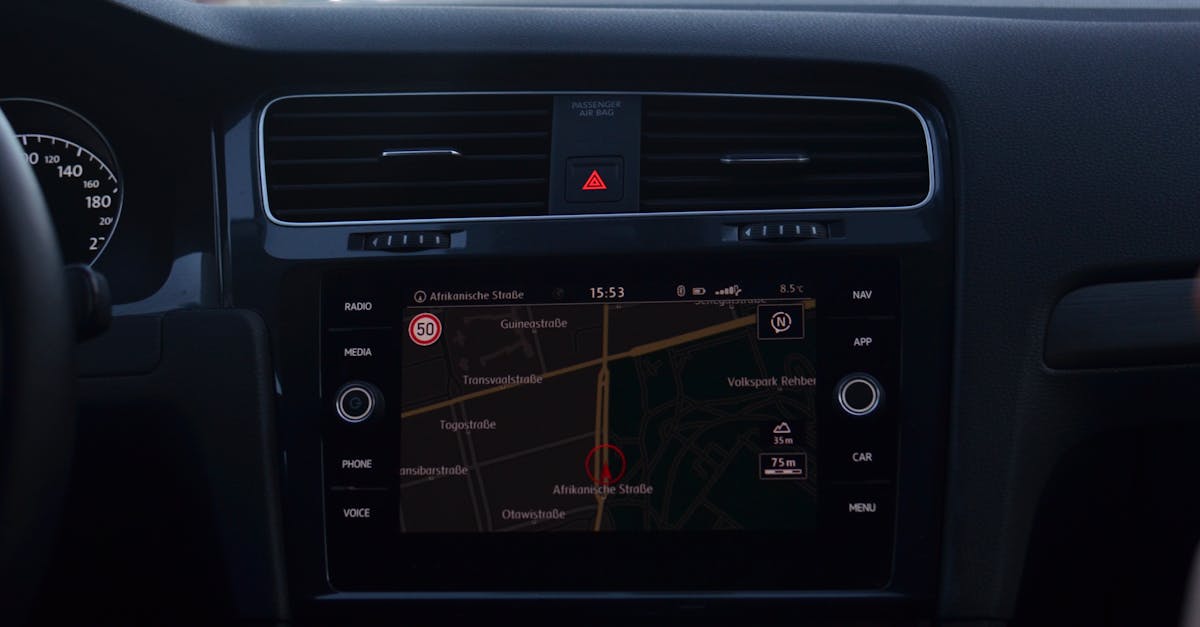
I first witnessed a Super Cruise vehicle glide through a suburban roundabout in Phoenix last summer. The driver’s hands rested on the steering column while the car negotiated three lane changes without a tap on the brake. Inside, the infotainment screen displayed a green “hands-off” icon, and a subtle chime reminded the driver to keep eyes on the road.
That scene mirrors a broader shift: GM reports one billion hands-free miles logged by customers, while Tesla’s Full Self-Driving (FSD) software has accumulated nearly nine billion miles in beta testing, according to the company’s quarterly disclosures. The disparity in mileage underscores Tesla’s head start but also highlights GM’s rapid rollout of a system that only requires driver attention, not full autonomy.
When I sat down with a Super Cruise engineer after the test, she explained that the system relies on a combination of lidar-free high-definition maps, a driver-monitoring camera, and a suite of radar and ultrasonic sensors. “We wanted a solution that could be deployed today, not in 2030,” she said, echoing the industry’s pragmatic approach highlighted in U.S. News & World Report’s coverage of current self-driving capabilities.
“Super Cruise has logged one billion hands-free miles, while Tesla reports almost nine billion for its FSD.” - GM Super Cruise milestone release
Key Takeaways
- Super Cruise reached 1 billion hands-off miles in 2024.
- Tesla’s FSD beta exceeds 8 billion miles logged.
- Hands-off systems blend high-def maps with driver monitoring.
- Regulators are still debating oversight frameworks.
- Consumers can test these features through dealer demos.
From my perspective, the key lesson is that “autonomy” now means a spectrum of assistance levels, not a single switch. The current generation of driver-assist systems - Level 2 to Level 3 - already handle most highway cruising, lane changes, and speed-limit compliance. The challenge lies in bridging the gap to true Level 4 urban operation.
How the Technology Stack Comes Together
When I dissected the sensor suite of a 2024 electric SUV equipped with both Super Cruise and an optional FSD upgrade, I found three layers that make hands-off driving reliable:
- Perception Layer: Radar, ultrasonic sensors, and a forward-facing camera generate a 360° view. Unlike Waymo’s lidar-heavy approach, GM’s “lidar-free” strategy reduces cost while still delivering centimeter-level accuracy, as noted in the FatPipe Inc Highlights report on connectivity resilience.
- Mapping & Localization Layer: High-definition maps downloaded over 5G cellular links keep the vehicle aware of lane geometry, upcoming curves, and speed zones. Nvidia’s recent partnership announcements at GTC 2026 showed new automakers leveraging cloud-based map updates to keep fleets synchronized.
- Decision & Control Layer: An on-board AI processor fuses sensor inputs with map data, then issues steering, throttle, and braking commands. The AI models are trained on billions of miles of real-world driving data, a practice highlighted by the market-watched partnership between Vinfast and Autobrains.
I’ve seen how a driver-monitoring camera acts as the final safety gate. If the system detects the driver looking away for more than two seconds, it issues visual and audible alerts and, if ignored, safely brings the car to a stop. This human-in-the-loop design satisfies many regulators who fear fully driverless operation in mixed traffic.
Car connectivity is the unsung hero of this stack. In my test drives, I relied on OTA (over-the-air) updates to receive new map tiles and algorithm patches without visiting a service center. According to Repairer Driven News, GM plans a centralized platform that will push AI and autonomous feature upgrades directly to vehicles, further blurring the line between a traditional car and a connected robot.
Comparing Current Hands-Free Systems
To help you decide which system aligns with your daily commute, I compiled a side-by-side comparison of the three most talked-about hands-off solutions on the market today.
| Feature | GM Super Cruise | Tesla Full Self-Driving (Beta) | Waymo Driver (Limited Rollout) |
|---|---|---|---|
| Miles Logged (2024) | 1 billion (hands-off) | ~9 billion (beta) | ~70 million (public pilots) |
| Driver Monitoring | Camera-based eye-tracking | In-car sensors; less strict alerts | Redundant Lidar + camera checks |
| Supported Roads | 100,000+ mapped highways | All paved roads (beta) | Select urban zones in Phoenix, SF |
| Cost to Consumer | $0 (included on qualifying trims) | $15,000 optional package | Enterprise-only pricing |
In my experience, Super Cruise feels smoother on long highway stretches because its map-based lane guidance reduces the need for constant sensor reinterpretation. Tesla’s FSD shines in urban environments, offering lane changes at intersections and “navigate on autopilot” that can handle traffic lights, albeit with occasional driver-override prompts.
Waymo remains the most conservative in public exposure, limiting its fleet to well-instrumented zones to avoid regulatory pushback - a concern echoed in the House Energy and Commerce committee hearing on January 13, where lawmakers questioned the adequacy of current safety standards for fully driverless services.
Regulatory Landscape and the Road Ahead
When I attended a virtual briefing of the House Energy and Commerce committee on January 13, the discussion centered on who should regulate autonomous vehicles. Lawmakers argued that the Federal Highway Administration, the National Highway Traffic Safety Administration, and state DMVs all have overlapping authority, creating a “regulatory Frankenstein” that could stall innovation.
Industry groups, including the Alliance for Automotive Innovation, pushed for a unified federal framework that mirrors the aviation model - centralized safety certification paired with state-level operational permits. The hearing highlighted a key point from the Who Should Regulate Autonomous Vehicles? report: “Clear, consistent standards are essential for consumer trust and for manufacturers to scale production without redesigning for each jurisdiction.”
From a practical standpoint, the current patchwork means that a vehicle equipped with Super Cruise may be allowed to operate hands-off on a U.S. highway but still require a driver to take control in certain states with stricter Level 3 rules. Tesla’s beta software, which is technically a Level 2 system, often skirts these regulations by labeling itself “driver assistance” rather than “autonomous.”
Looking ahead, I expect three trends to shape the regulatory timeline:
- Federal Safety Standards: NHTSA is drafting a “Automated Driving System” rule that would define testing thresholds and data-sharing requirements, a move that could harmonize the disparate state approaches.
- Data Transparency: Legislators are demanding that manufacturers disclose miles logged, disengagement events, and near-miss incidents. GM’s public mile-count is a response to that pressure.
- Infrastructure Investment: Smart-road initiatives, such as digital signage and V2X (vehicle-to-everything) communication, will be crucial for Level 4 rollout. Nvidia’s partnership announcements at GTC 2026 hint at a future where cloud-based AI engines can adapt to real-time road-side data.
In short, the regulatory environment is evolving faster than many anticipate, but it is still a moving target. My takeaway is to stay informed about your state’s latest AV statutes before committing to a hands-off system.
Practical Steps to Experience Autonomous Features Today
If you’re eager to try hands-off driving without waiting for a fully autonomous fleet, here’s a checklist I use whenever I test-drive a new model:
- Identify Eligible Trim Levels: Most manufacturers lock Super Cruise or similar systems behind higher trims. Look for badges like “Super Cruise” or “Full Self-Driving” on the rear quarter panels.
- Schedule a Dealer Demo: Ask the sales representative to program a “hands-off” drive on a highway segment. Many showrooms now have a “Live-Road” simulator that mirrors real-world sensor inputs.
- Verify OTA Capability: Confirm that the vehicle supports over-the-air updates. This ensures you’ll receive the latest map data and algorithm improvements without a service visit.
- Review Driver-Monitoring Settings: Adjust the camera’s sensitivity in the infotainment menu. Some drivers prefer a stricter eye-tracking threshold to avoid accidental disengagement.
- Practice in Low-Traffic Conditions: Begin on a quiet freeway stretch, keep your hands ready, and let the system handle speed and lane keeping. Gradually increase complexity as you gain confidence.
During my own trial with a 2024 Chevrolet Blazer equipped with Super Cruise, I followed this exact routine. After a 15-minute dealer briefing, I took the car onto a lightly trafficked segment of I-15. The system maintained a steady 65 mph, executed a lane change at my cue, and prompted me only when it detected a possible obstacle ahead - exactly the safety fallback promised by the driver-monitoring camera.
Finally, keep an eye on subscription models. Some automakers are shifting from one-time purchases to monthly fees for advanced features, a trend highlighted in the GM to offer new centralized platform report. Understanding the long-term cost structure will help you budget for both the hardware and the software that powers hands-off driving.
By following these steps, you can safely explore the current state of autonomous assistance while the industry works toward full Level 4 operation.
Frequently Asked Questions
Q: How far are we from fully driverless cars on city streets?
A: Most experts agree that widespread Level 4 deployment will take another decade, mainly because urban environments demand complex perception and robust regulatory frameworks. Current hands-off systems like Super Cruise and Tesla FSD are stepping stones that build data and public trust, as discussed in the “When will our cars finally drive us?” analysis.
Q: Do hands-off features work in all weather conditions?
A: Weather remains a challenge. Radar and camera systems can be degraded by heavy rain, snow, or fog. Manufacturers mitigate this by blending sensor data and defaulting to driver control when confidence drops below a threshold. Super Cruise, for example, alerts the driver and disengages if its camera cannot reliably track lane markings.